
Our studio

Built by people who play.

A studio run by developers, for players who care about how a game feels in the hand.

Our story

An independent game studio.

FrogSpell Interactive was started by two developers who had spent years building games and wanted to make the kind they themselves would play every evening. Between them they cover game design, level design, storytelling, programming and pixel art, so a game can go from idea to playable build without leaving the studio.

We are based in Lexington, Kentucky, and we stay deliberately small. A small team means short conversations, fast decisions and a clear sense of who is responsible for each part of a game.

Keeping development in-house is a conscious choice. When the people drawing a character are the same people tuning its abilities, the art and the gameplay pull in the same direction. It also means we can change course quickly when a playtest shows that something is not as fun as it should be.
Founders

The founders of the studio

The studio is led by its two founders, who split their time between game design, art and code.

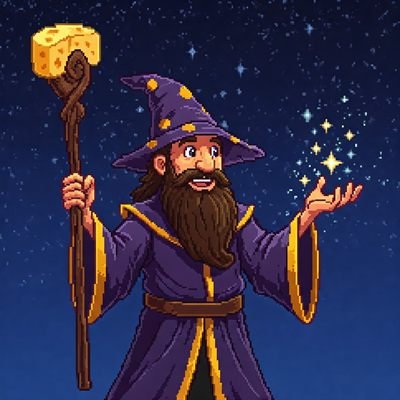
  • Dave the Magical Cheese Wizard: a pixel-art wizard with a cheese staff

    Dave the Magical Cheese Wizard

    Co-founder

    Dave is a seasoned game developer with a passion for crafting immersive and engaging worlds. His expertise lies in game design, level design, and storytelling.

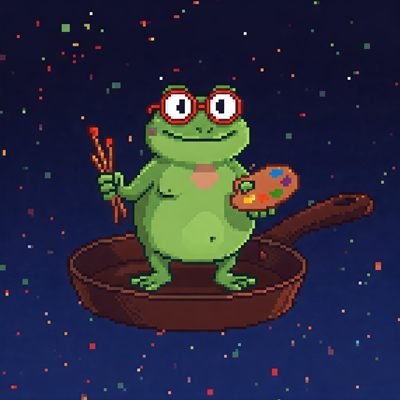
  • PhriedFrog: a pixel-art frog artist in a frying pan holding brushes and a palette

    PhriedFrog

    Co-founder

    PhriedFrog is a talented artist and programmer who brings the worlds of FrogSpell Interactive to life. His passion for pixel art and retro aesthetics shines through in every game we create.

How we design

Three rules for every game

Respect the player’s time

A good session should fit into the time you actually have. Levels, runs and matches are sized so that a few minutes always feels worthwhile, and longer sessions open up deeper systems rather than repetition.

Earn every feature

We would rather ship a game with fewer, sharper systems than a long list of half-finished ones. A feature stays only if playtests show it makes the game better.

Never sell power

In-game stores sell appearance, not advantage. Skill, teamwork and good decisions decide who wins, which keeps co-op fair and competition honest.

How a game takes shape

From first sketch to playtest.

Every project starts as a question rather than a feature list. What should it feel like to be outnumbered a hundred to one? How much strategy can fit into a dungeon that takes ninety seconds to finish? Those questions guide the first prototypes, which are rough, fast and thrown away freely.

Once the core feels right, the world and its characters are drawn around it. Classes, enemies and rooms are tested against the core question, and anything that does not support it is cut. That is why our feature lists are short: each item on them has earned its place.

Finally, the game goes in front of players. Playtests organised through Discord show us what is confusing, what is too easy and what people keep coming back to. Those sessions shape the release more than any internal plan.

Community

Talk to the developers.

The developers read the Discord every day. It is the quickest way to share an idea, report a problem or ask how something in the games works.